Student STEM showcase reigned supreme at NCTIES 2026
The North Carolina Technology in Education Society (NCTIES) held its annual convening from March 4-6 in downtown Raleigh. The gathering brought together 2,161 educators and 308 students from around the state for connection, celebration, and the demonstration of STEM and classroom technologies.
NCTIES is a “membership association for educators and educator leaders engaged in advancing excellence in learning and teaching through the effective use of technology,” according to its website.
The three-day event included professional development opportunities for educators with over 200 sessions covering digital tools, coaching, and strategies. There was an interactive lab for educators to try out new classroom technologies and workshops ranging from artificial intelligence (AI) literacy to creating the right makerspace experience.
Grant Hayes, the digital learning systems coordinator in Cleveland County Schools and this year’s NCTIES conference chair, said, “As an organization, our mission is to provide robust support and professional development, not just for technology leaders, but for every educator looking for high-impact best practices they can implement in their classrooms tomorrow.”
“Despite the challenges of operating without a passed state budget this school year, we saw a record turnout of educators from across North Carolina and our neighboring states. This level of engagement underscores just how deeply our profession values growth,” said Hayes.
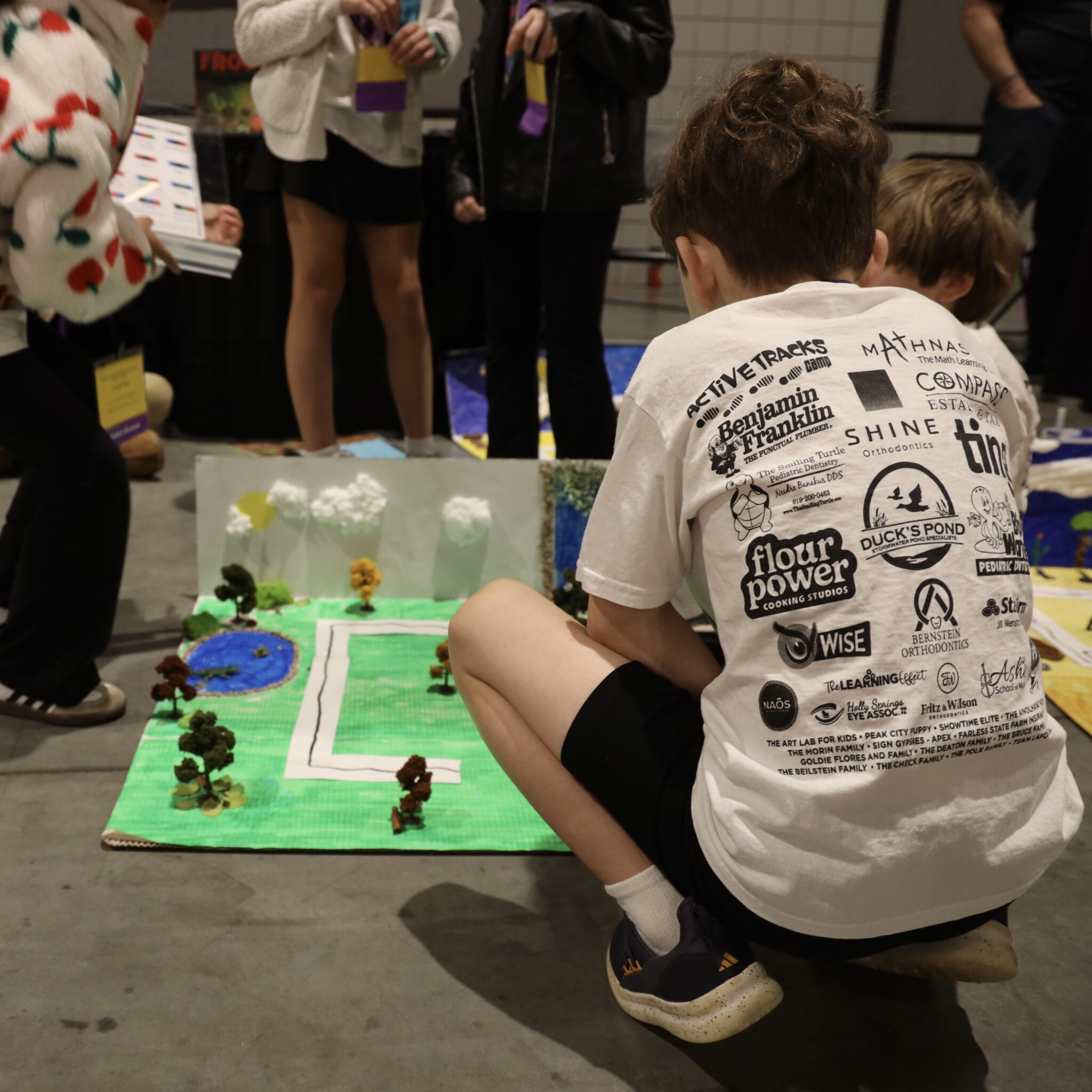
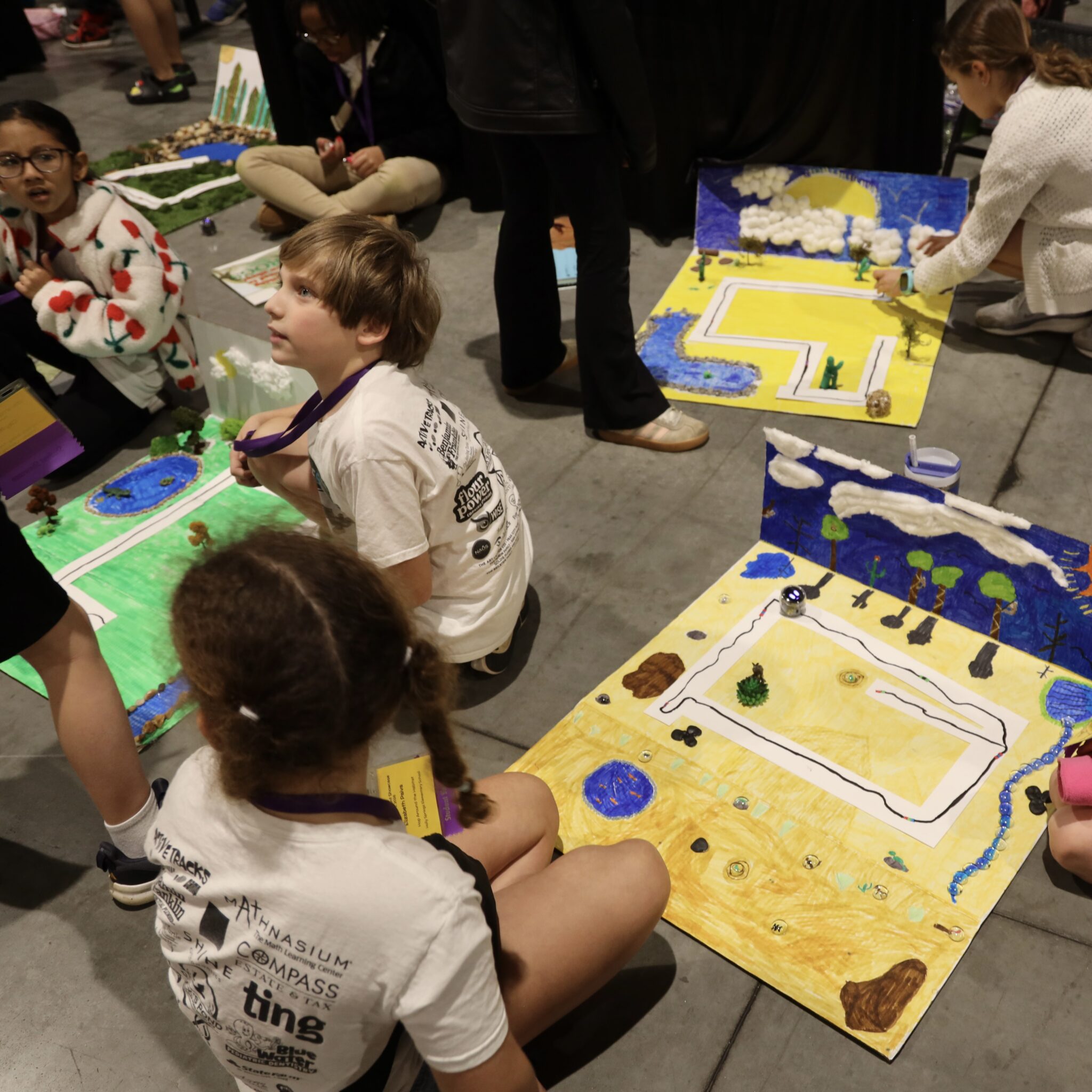
Students joined on the second day of the conference, shining at their very own showcase. Thirty-seven classes and clubs from around the state demonstrated STEM-related projects for the crowd of attending educators, visitors, and fellow students.
Student showcase sampling
Beaufort County Schools
Northeast Elementary School tackled environmental issues for their “Protection from Earth’s Natural Changes” STEM booth.
Fourth grader Savannah Black commented on recent news and said, “There are so many houses rolling into the water down in Buxton and Nags Head.” So she and her partner, Skylar Smith, developed a way to move homes on the coast.
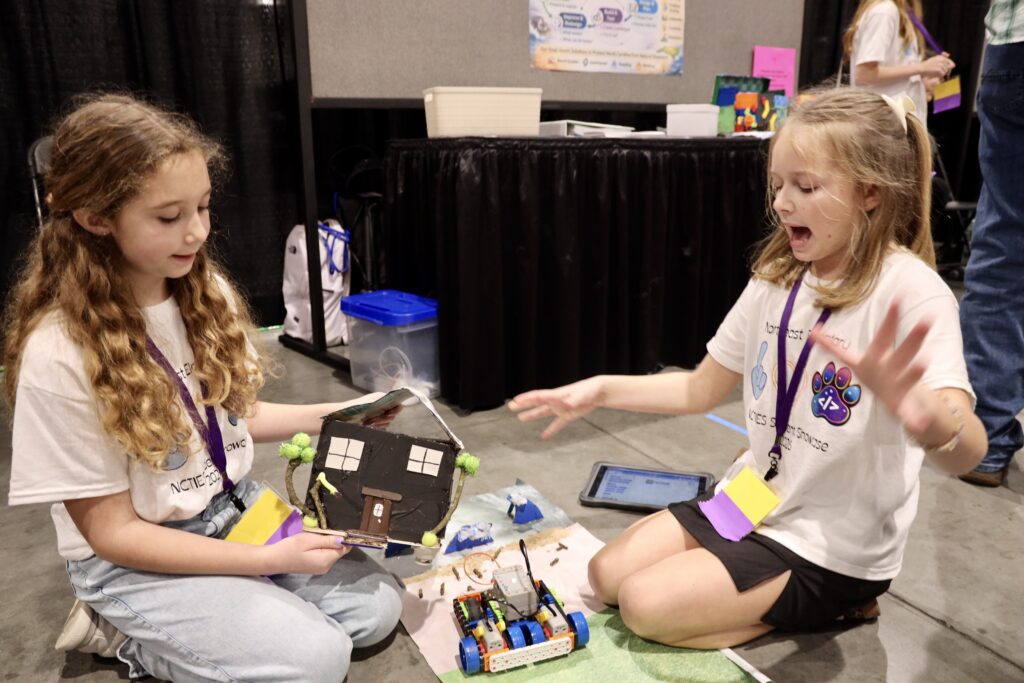
Black and Smith coded a robot via tablet, put the house atop the robot, and wheels underneath the entire thing. Skylar Smith said her favorite part was “to run it (and) to see the house actually move.”
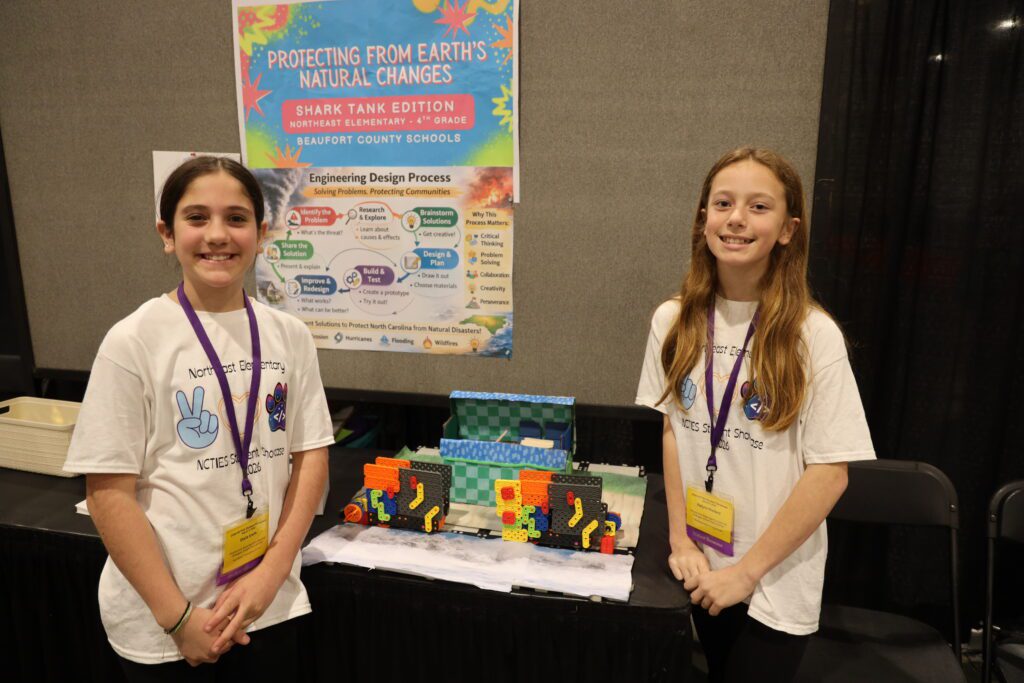
While they focused on beach erosion, Stella Smith and Pailynn Woolward experimented with flooding mitigation solutions. They developed a magnetized flood gate to protect structures. The pair realized that in big storms, electricity can go down, so they looked at ways to operate machines without power. They landed on a magnetic solution, and they both agreed that seeing the gate click together was their favorite part.
Bladen County Schools
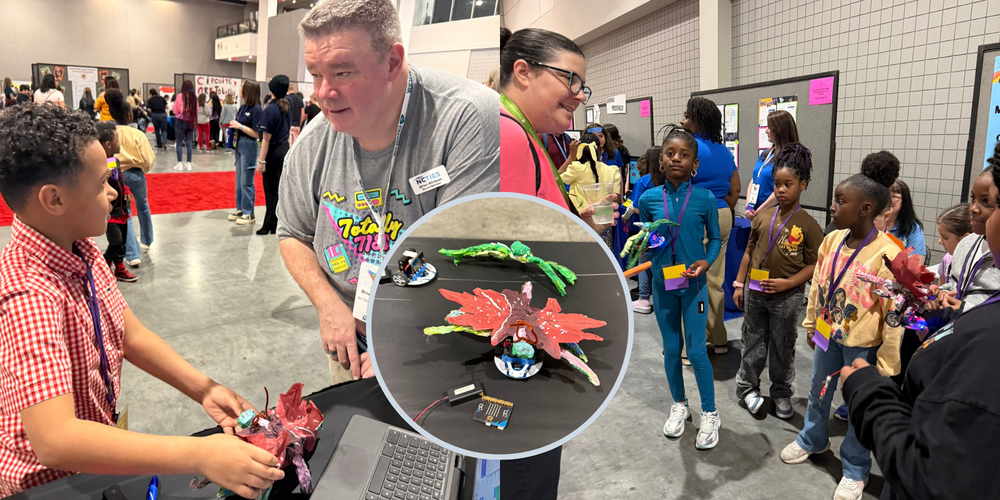
Caren Long is the media coordinator at Bladen County Schools, and she teamed up with classroom teachers at Elizabethtown Primary School to create an interdisciplinary project combining literacy, scientific inquiry, robotics, and coding.
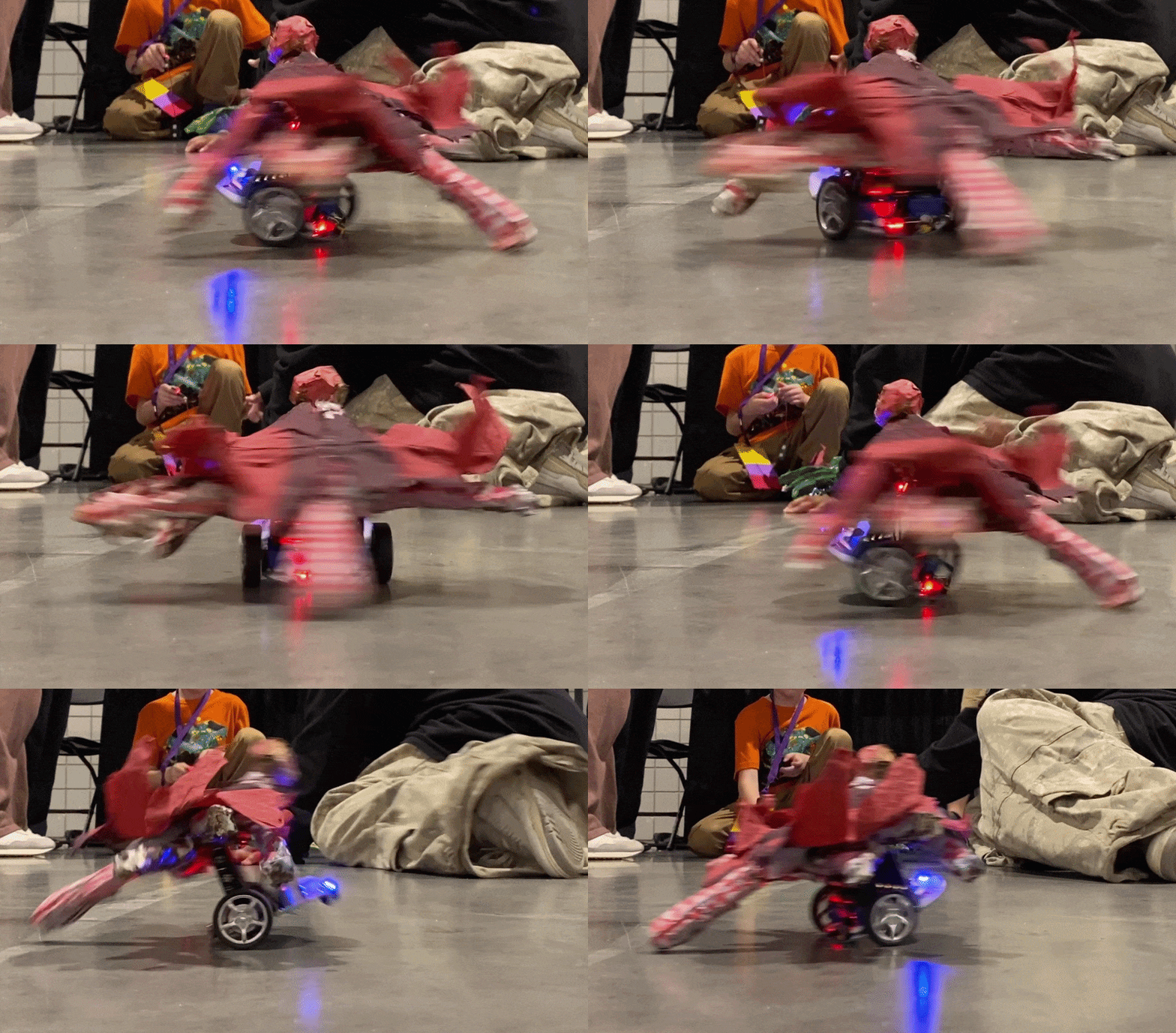
While students learned about insects and habitats, they began sketching out bugs they wanted to create. Messiah McNeil and Jayla Carter said they used recycled materials like cardboard and aluminum to construct their bug sketches.
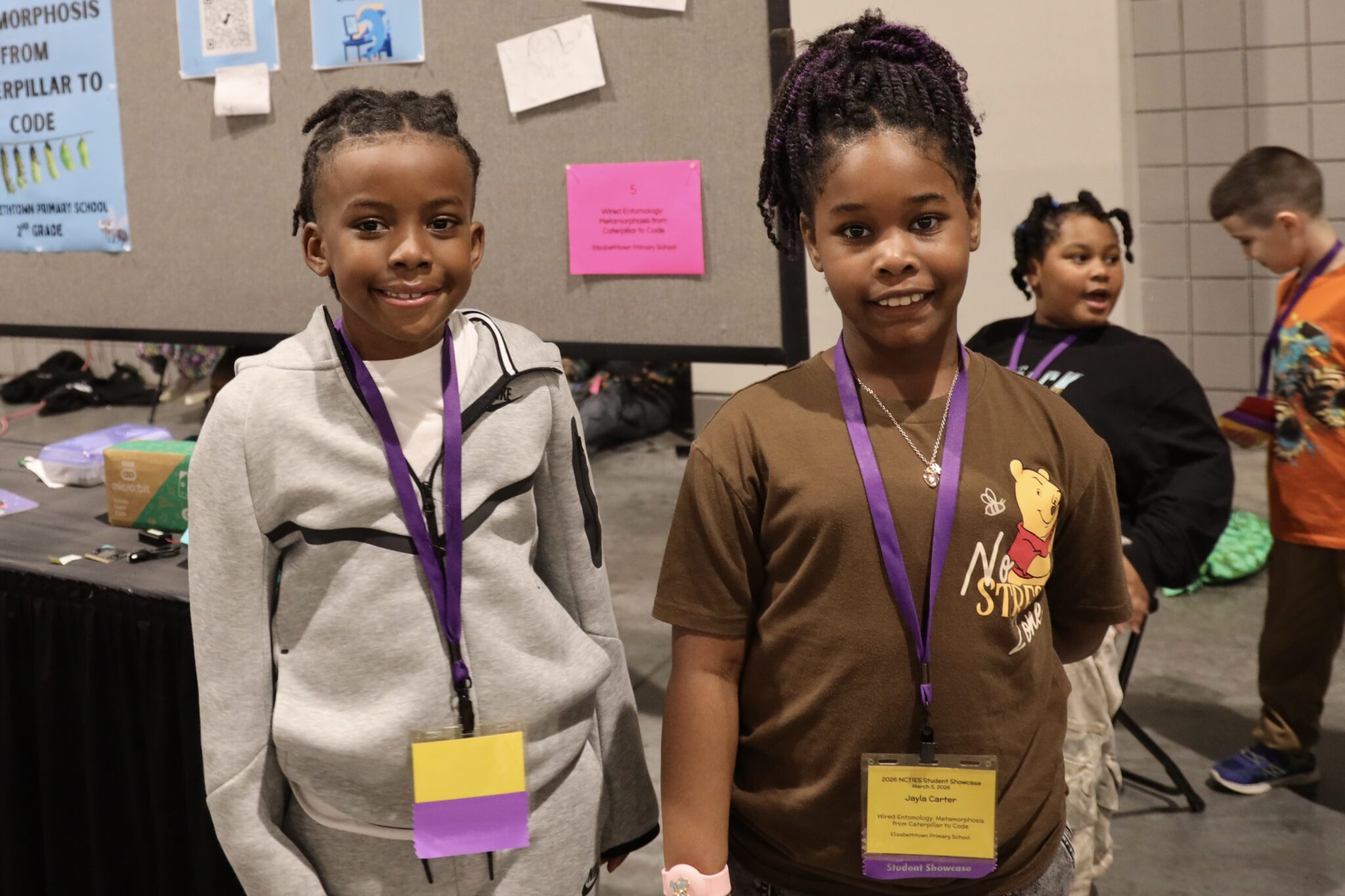
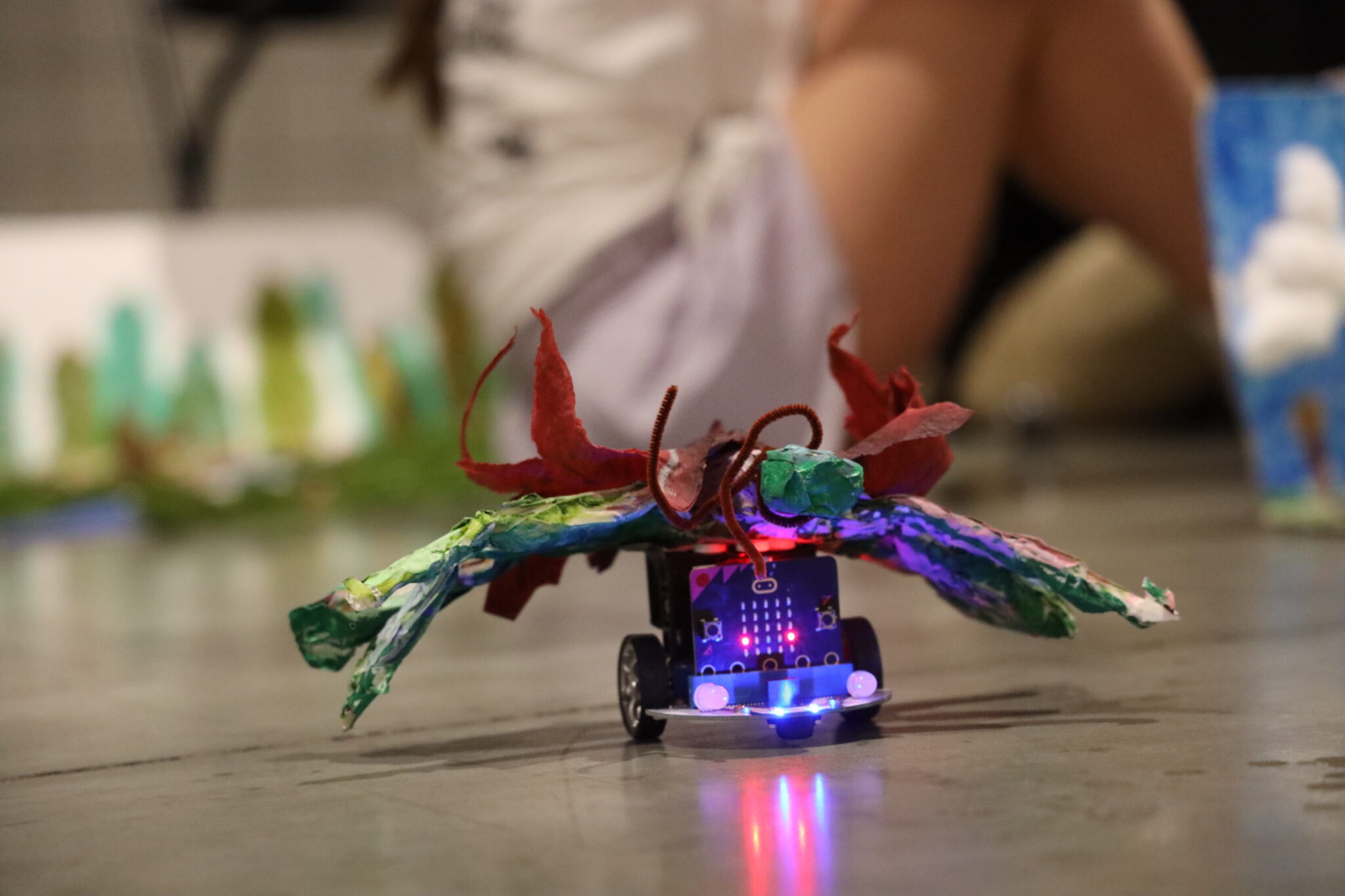
Long said these second graders were introduced to programming before this project, so they used their coding skills on a robot car kit to make it move. At the final step, Long attached the art projects to the student-programmed robots and their insects took flight.
Halifax County Schools
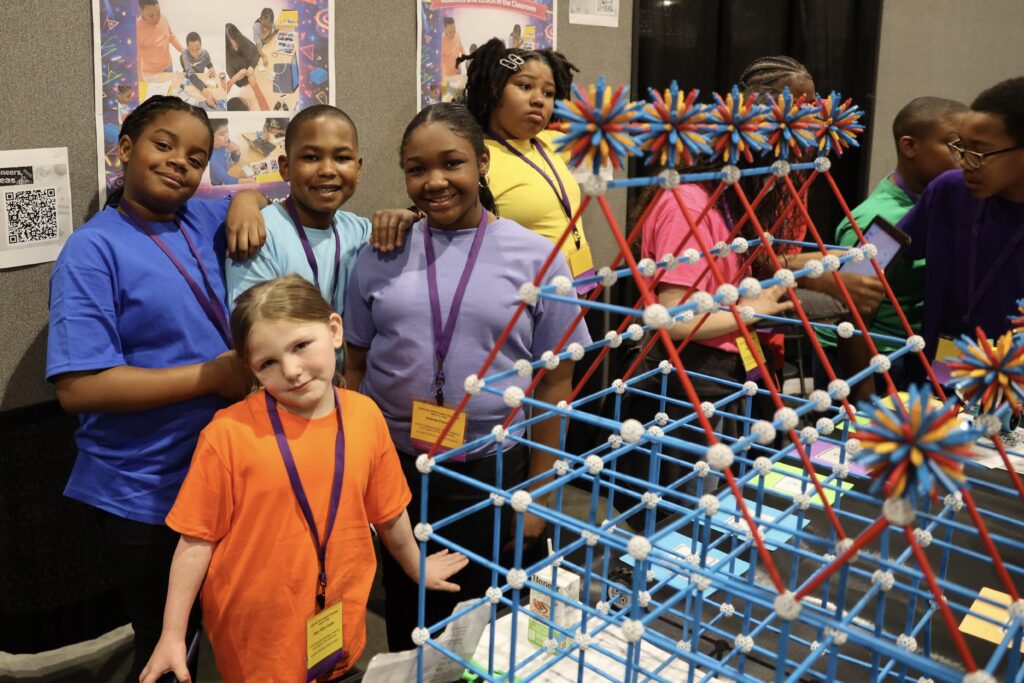
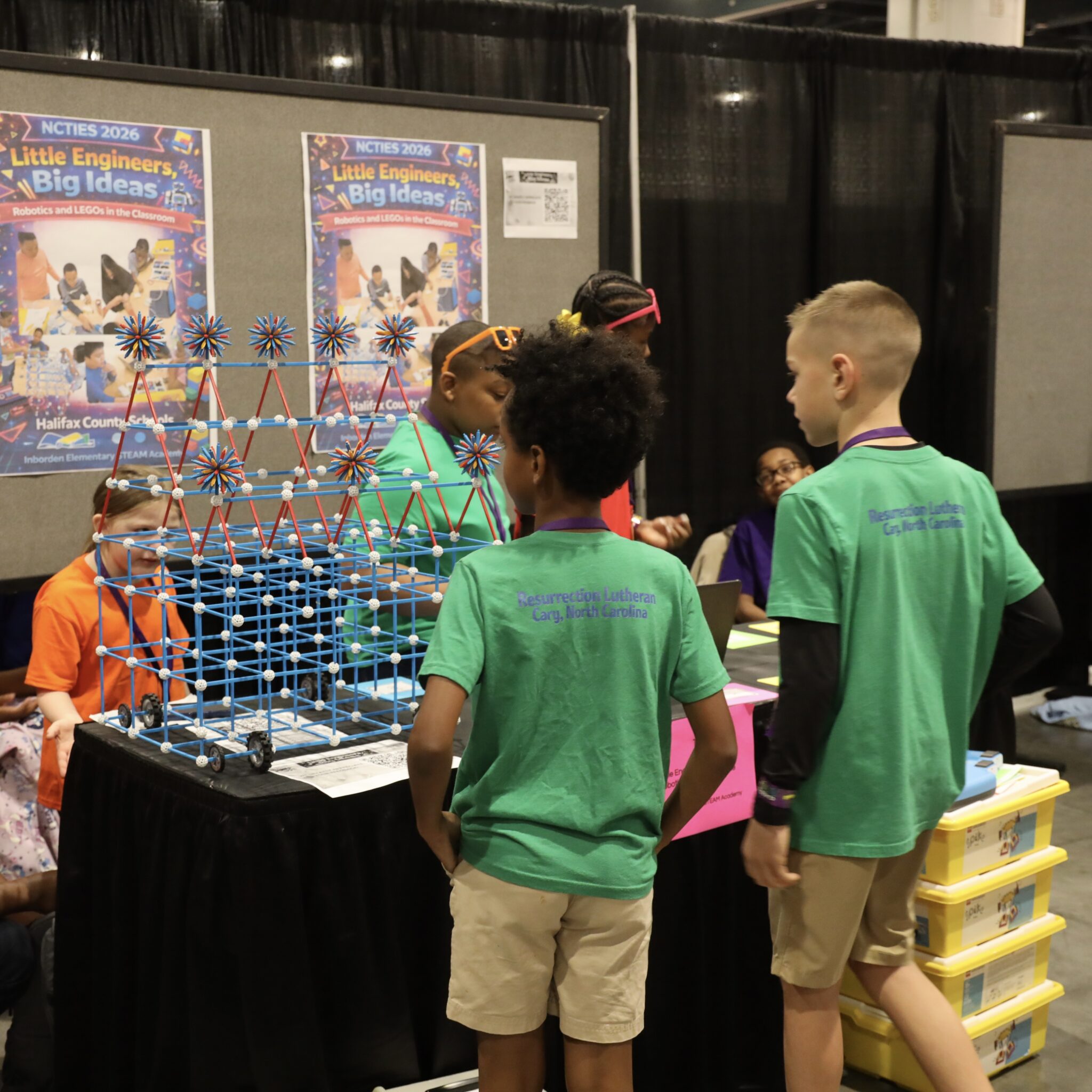
Students from Inborden Elementary School S.T.E.A.M. Academy used LEGO education kits and beginner robotics to tackle housing issues during an earthquake.
The group of fifth graders and one third grader explained how they learned about the growing number of earthquakes in Japan. To address this, they decided to create a solution to help buildings that sit on shaky ground by constructing an apparatus that puts houses on wheels.
Mary Alice Cooper is a third grader who joined the older class because she contributes to the team so well, fifth grader KaTrevion Bellamy explained. Their teacher, Alda Laur Paclauna, explained that through this hands-on work, students learn to think critically, design creatively, and collaborate effectively.
Aubree Daniels said her favorite part of the project was working as a team. “We apply knowledge by building systems and redesigning,” said Daniels.
Sampson County Schools
Union Intermediate School principal, Dr. Colt Pierce, was at this year’s NCTIES as both a leader and parent. His son is in the school’s STEM club that has been meeting every Thursday after school since October.
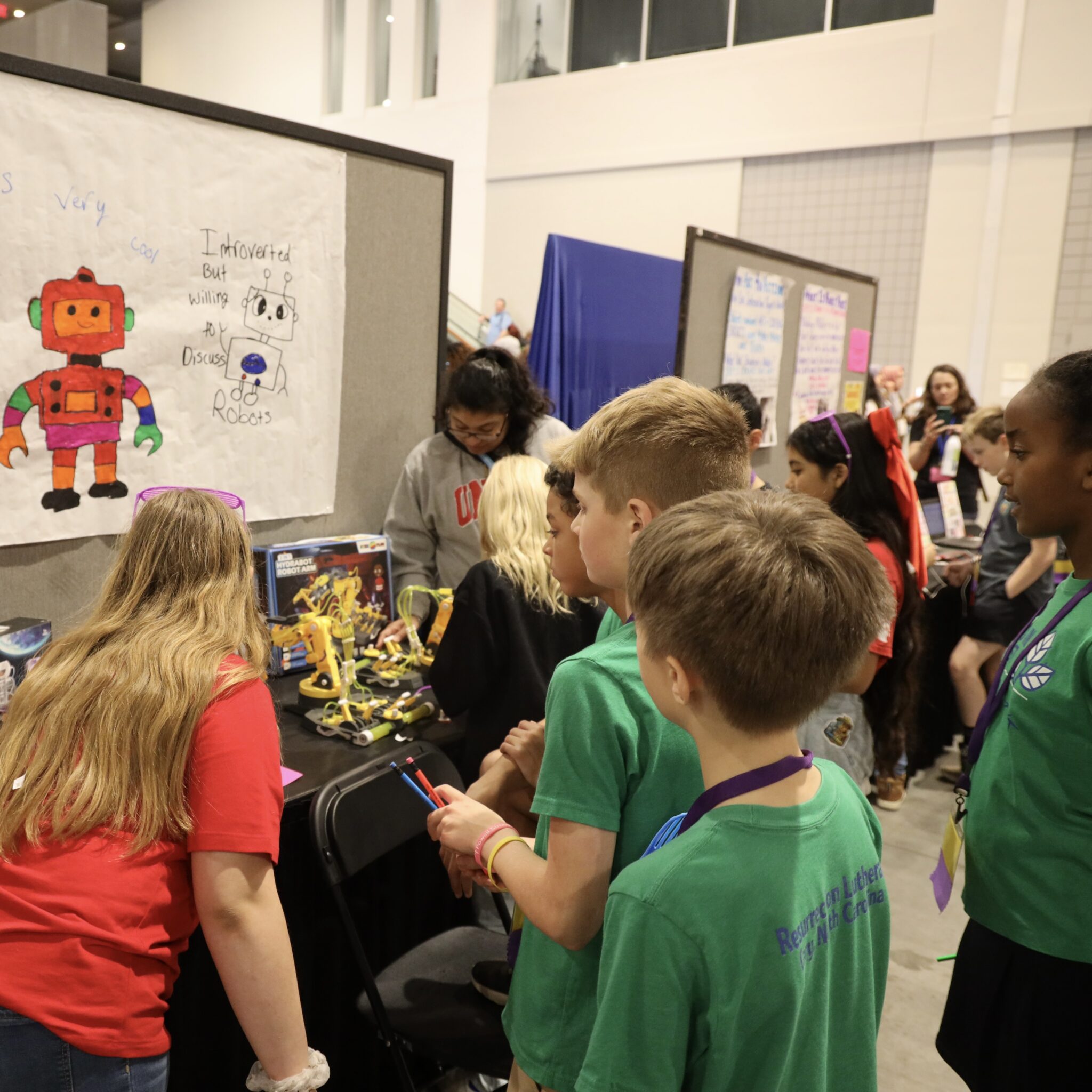
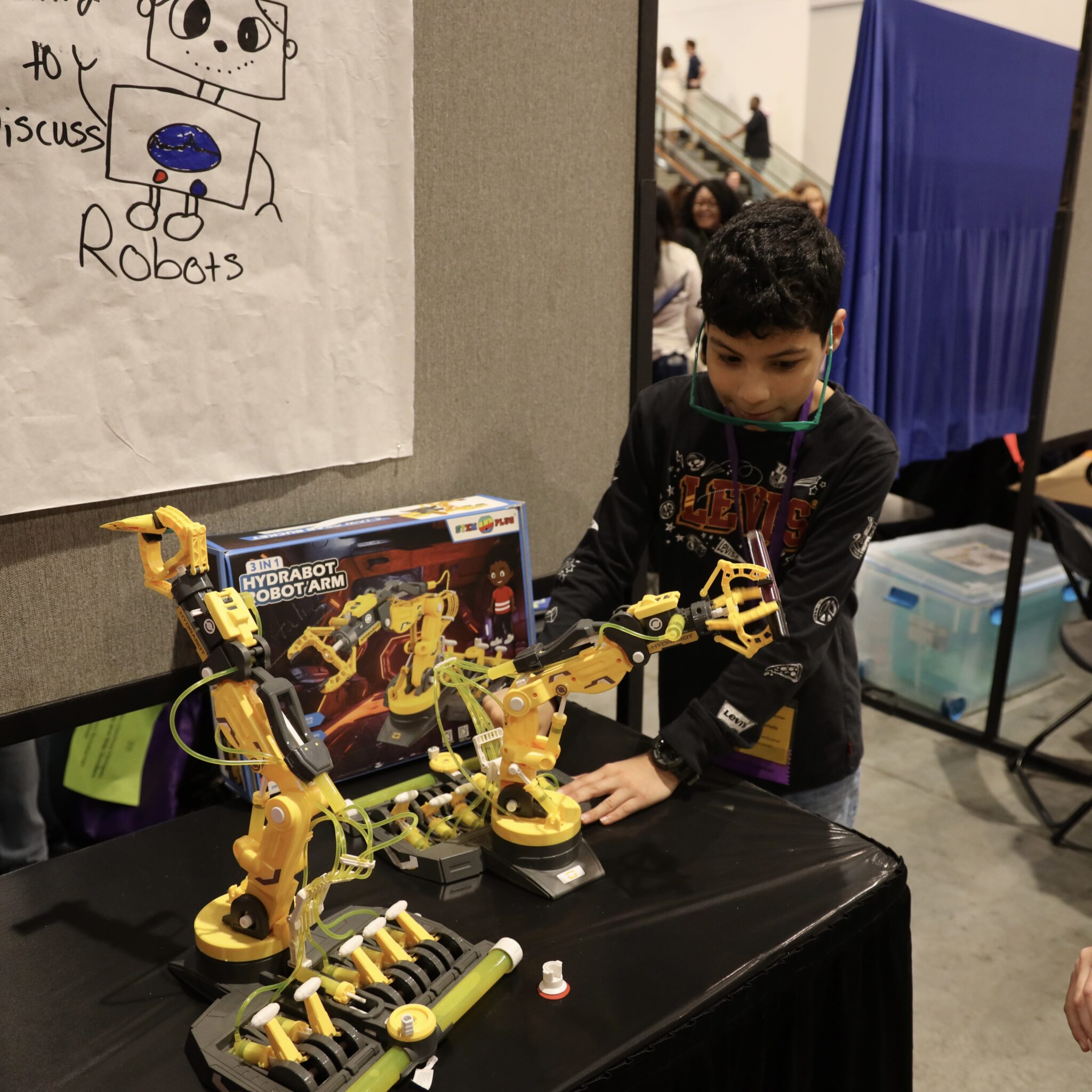
Working in pairs, students explored real-world engineering principles such as hydraulics, mechanical design, and systems thinking. Some used coding for their projects, others used water.
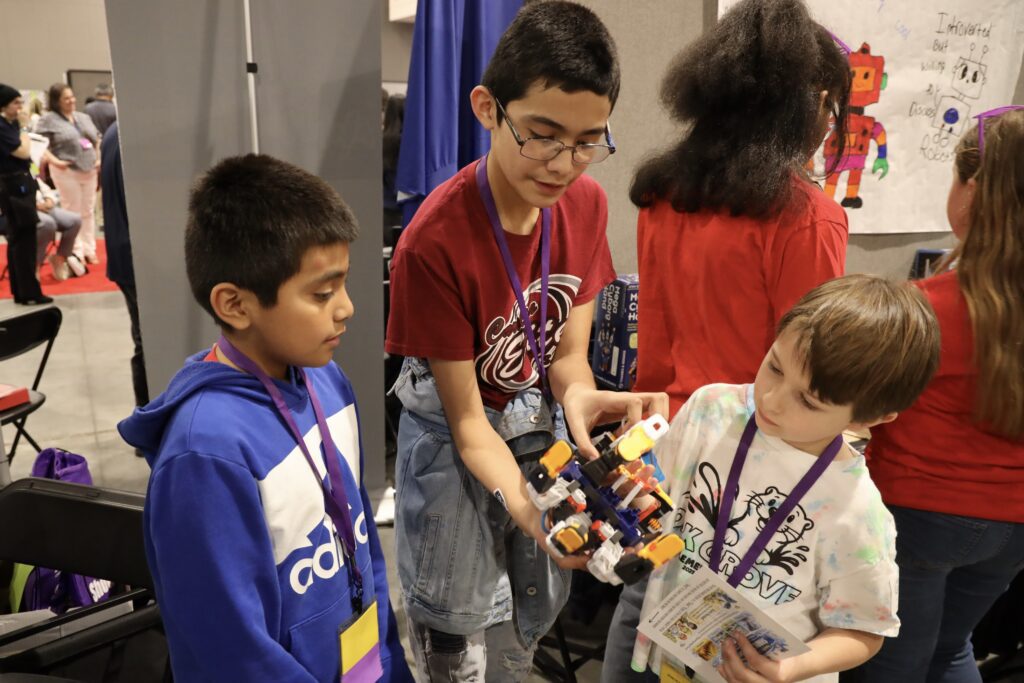
The group of fourth and fifth grade students showed off their robotics projects that included an automatic bubble robot, a hydro-powered arm, and more.
“The electricity runs from the cords, through the tablet, and the bubbles shoot up like a volcano erupting,” said Aleah Carter, regarding her and partner Imani Robinson’s project.
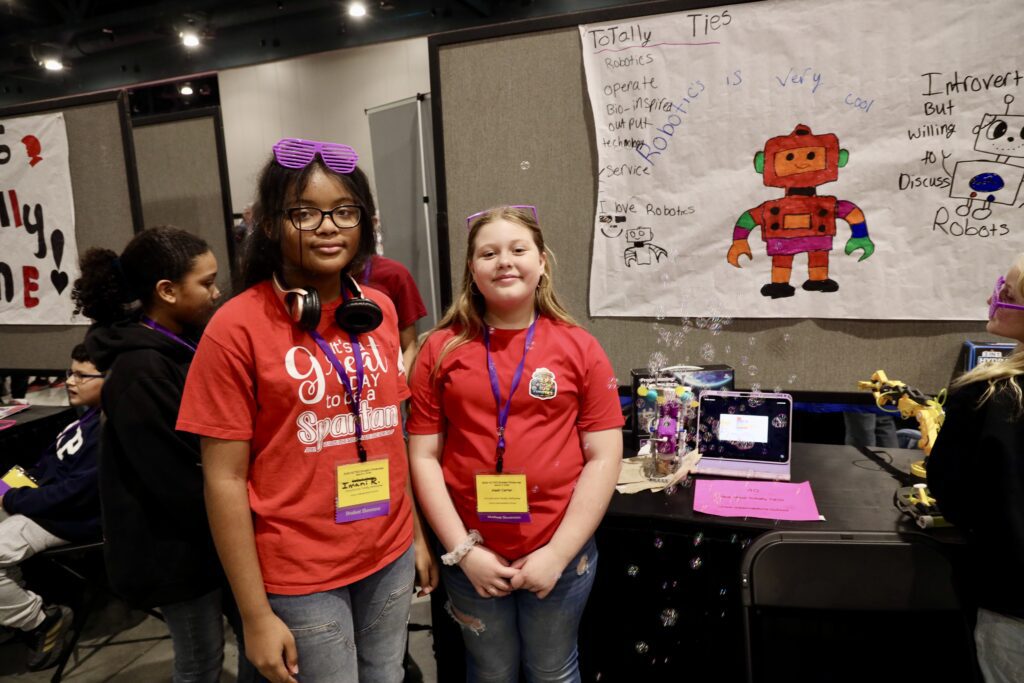
Tanya Robinson-Freeman is the health and PE teacher at Union Intermediate School and spearheads the STEM club.
Principal Pierce said, “Mrs. Robinson-Freeman is all about pushing kids to their limit; she has these ideas. She is one that will write grants for anything and everything that’s going to benefit the kids.”
Freeman received a Loving of Learning Grant from the Simple Gifts Fund to help support the club and send students to this year’s NCTIES showcase.
Students from around the showcase started at their own booths, but slowly peeled away to check out what was happening with other schools. For students, it was a morning of curiosity, science, and exploration. For educators, the conference was all about finding the right tools to encourage students in the classroom and beyond.
________
Editor’s note: The Simple Gifts Fund lives under the umbrella of the Anonymous Trust, which supports the work of EdNC.
This article first appeared on EdNC and is republished here under a Creative Commons Attribution-NoDerivatives 4.0 International License.